
Understanding Essential Micronutrients: The Key to Total Health
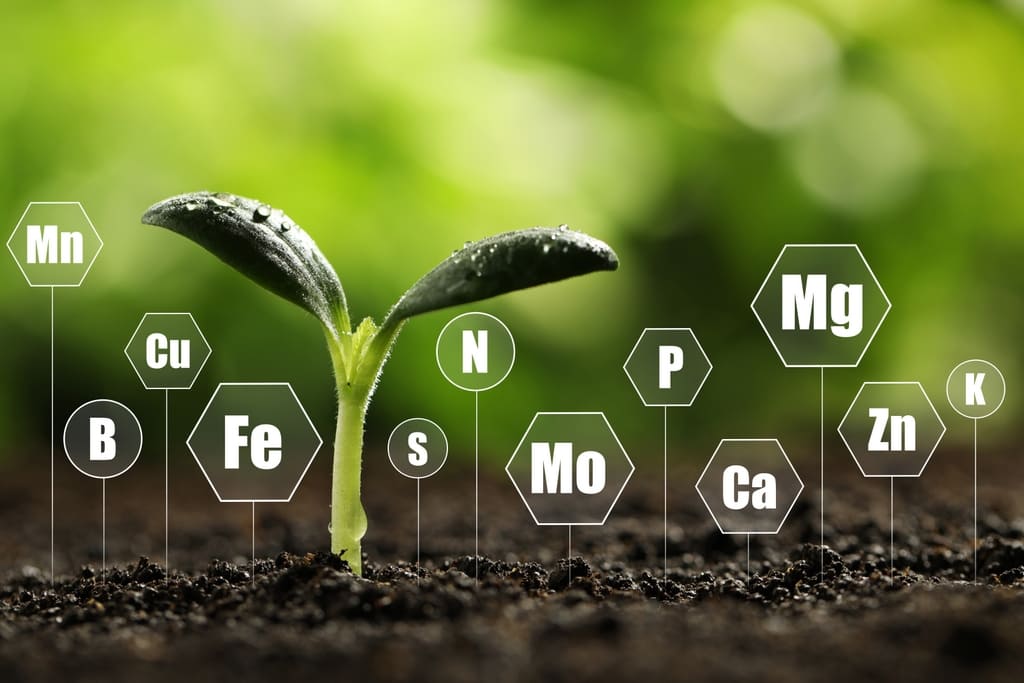
When people talk about diets, the conversation almost always revolves around macronutrients: proteins, carbohydrates, and fats. While tracking "macros" is great for body composition, it’s the micronutrients—vitamins and minerals—that act as the spark plugs of your body’s engine.
Ignoring essential vitamins and minerals can stall your health goals, drain your energy, and compromise your immune system. Here is a simple guide to understanding why they matter and how to get enough of them.
What Are Micronutrients?
Micronutrients are required by your body in small amounts, but their impact on your health is massive. They are divided into two main categories:
- Vitamins: Organic compounds created by plants and animals. They can be broken down by heat, acid, or air (which is why cooking methods matter). Examples include Vitamins A, C, D, E, and the B-complex.
- Minerals: Inorganic elements that exist in soil and water and are absorbed by plants or eaten by animals. Examples include calcium, iron, magnesium, and zinc.
Why Are They Essential?
Every system in your body relies on micronutrients to function optimally. They are responsible for:
- Energy Production: B vitamins play a critical role in converting the food you eat into usable cellular energy.
- Immune Defense: Vitamin C, Vitamin D, and Zinc are the frontline soldiers protecting your body against illnesses and infections.
- Bone Health: Calcium gets all the credit, but Vitamin D, Vitamin K, and Magnesium are equally crucial for maintaining strong bone density.
Common Deficiencies to Watch Out For
Even with a balanced diet, certain micronutrient deficiencies are incredibly common in the modern world:
- Vitamin D: Mostly synthesized from sunlight, people who live in colder climates or work indoors are often deficient.
- Iron: Essential for oxygen transport in the blood, deficiency is particularly common in women and vegetarians.
- Magnesium: Crucial for muscle relaxation and sleep. Depleted soils mean our food has less magnesium than it did decades ago.
The Bottom Line
While high-quality supplements can help fill the gaps, the best way to get your micronutrients is through a varied diet of whole foods. Prioritize leafy greens, nuts, seeds, lean proteins, and colorful vegetables to ensure your body has all the building blocks it needs to thrive.